The received wisdom in India: "Buy a thin cotton tee — it's hotter here, so lighter fabric will keep you cool."
The reality: lightweight cotton often traps heat and moisture worse than heavyweight cotton, and wears out faster. Here's what fabric weight really does for Indian climates.
What GSM actually measures
GSM = grams per square metre. It's the weight of a 1m × 1m sheet of that fabric.
- 140–170 GSM: Lightweight — thin, semi-transparent, mass-market tees.
- 180–210 GSM: Midweight — most high-street basics.
- 220–260 GSM: Heavyweight streetwear — Intru sits in this band.
- 280+ GSM: Overweight, often used for hoodies and workwear.
Myth: heavier fabric is always hotter
This is the assumption everyone makes, and it's not always right:
1. Airflow > thinness
Lightweight cotton clings to your skin as soon as you sweat, sealing off airflow. Heavyweight cotton is stiffer and holds a small air gap between the fabric and your body — that gap is where cooling happens. Same reason loose linen shirts feel cooler than a thin polyester tee.
2. Sweat absorption > sweat retention
A heavyweight cotton tee absorbs sweat into the fibres and releases it via evaporation. A very lightweight tee saturates faster and can stay wet against your skin.
3. Structure prevents cling
The most uncomfortable feeling in Indian heat isn't heat — it's wet cotton stuck to your body. Heavyweight fabric holds its own shape, so even when it's damp it doesn't cling. That's the difference.
Durability: the hidden cost of lightweight
A cheap lightweight cotton tee looks fine on day one. Over time you often see:
- The neck rib curling and losing shape.
- Small holes appearing from friction.
- The colour fading noticeably.
- The fit stretching a full size larger.
A garment-dyed heavyweight tee holds its shape and colour for far longer. Cost-per-wear tends to favour the heavier fabric over the lifetime of the piece.
Where lightweight wins
Fair balance — there are cases where lightweight cotton is the better pick:
- Extreme humidity + no AC. If you're outdoors in 90% humidity for 4+ hours (think coastal fishing / hiking), a very thin tee dries faster after saturation.
- Layering under formalwear. If the tee is a base layer under a shirt or blazer, thinness matters more than drape.
For everything else — daily wear, streetwear, going out, working from home — heavyweight tends to win.
How to test fabric weight without a scale
Two quick tests you can do in-store or before ordering:
- The hand test. Bunch the fabric in your fist. Heavyweight cotton pushes back — you feel resistance. Lightweight collapses into nothing.
- The light test. Hold the fabric up to a bright light. If you can clearly see the outline of your hand behind it, it's on the lighter side.
What Intru uses, and why
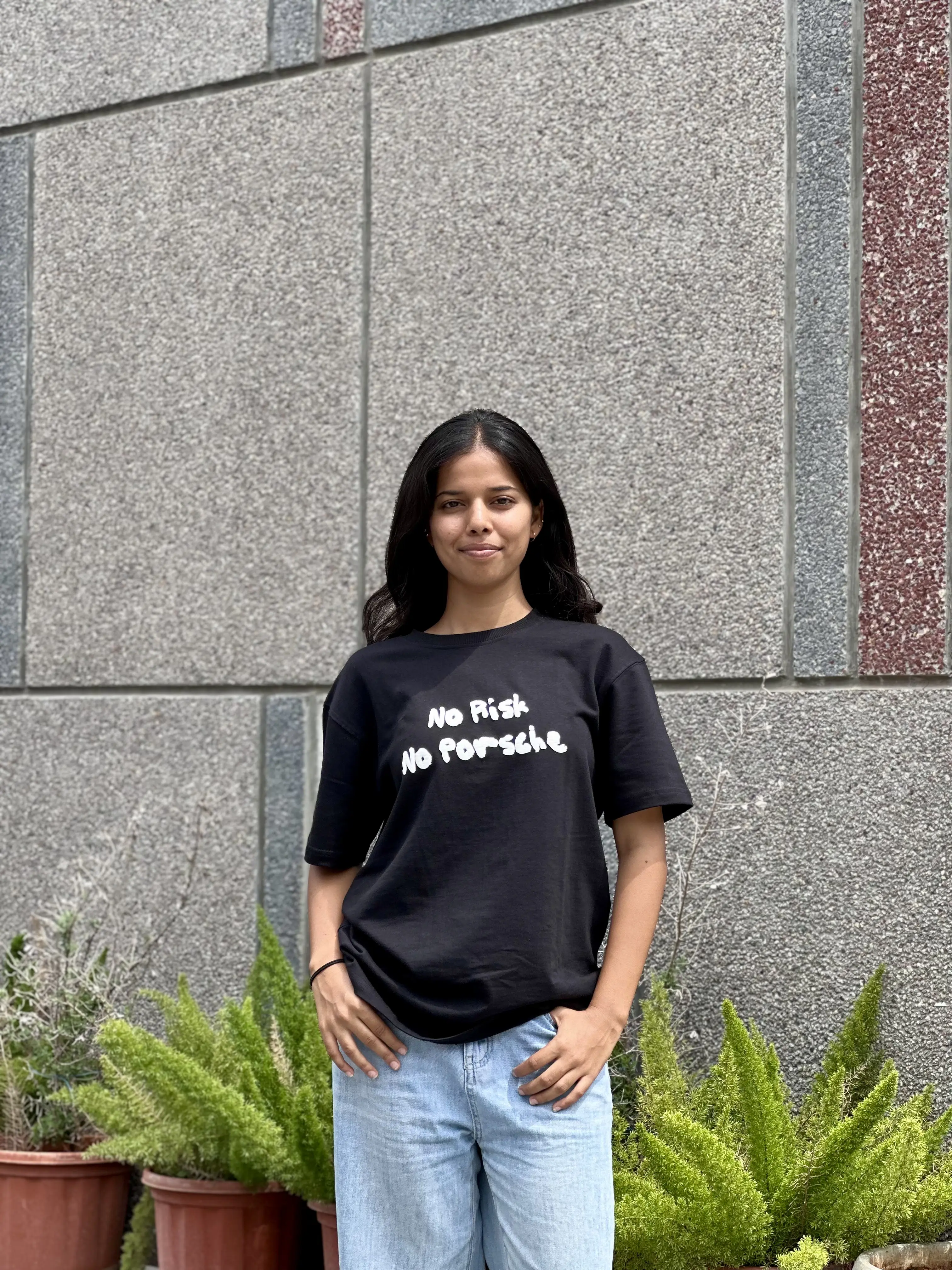
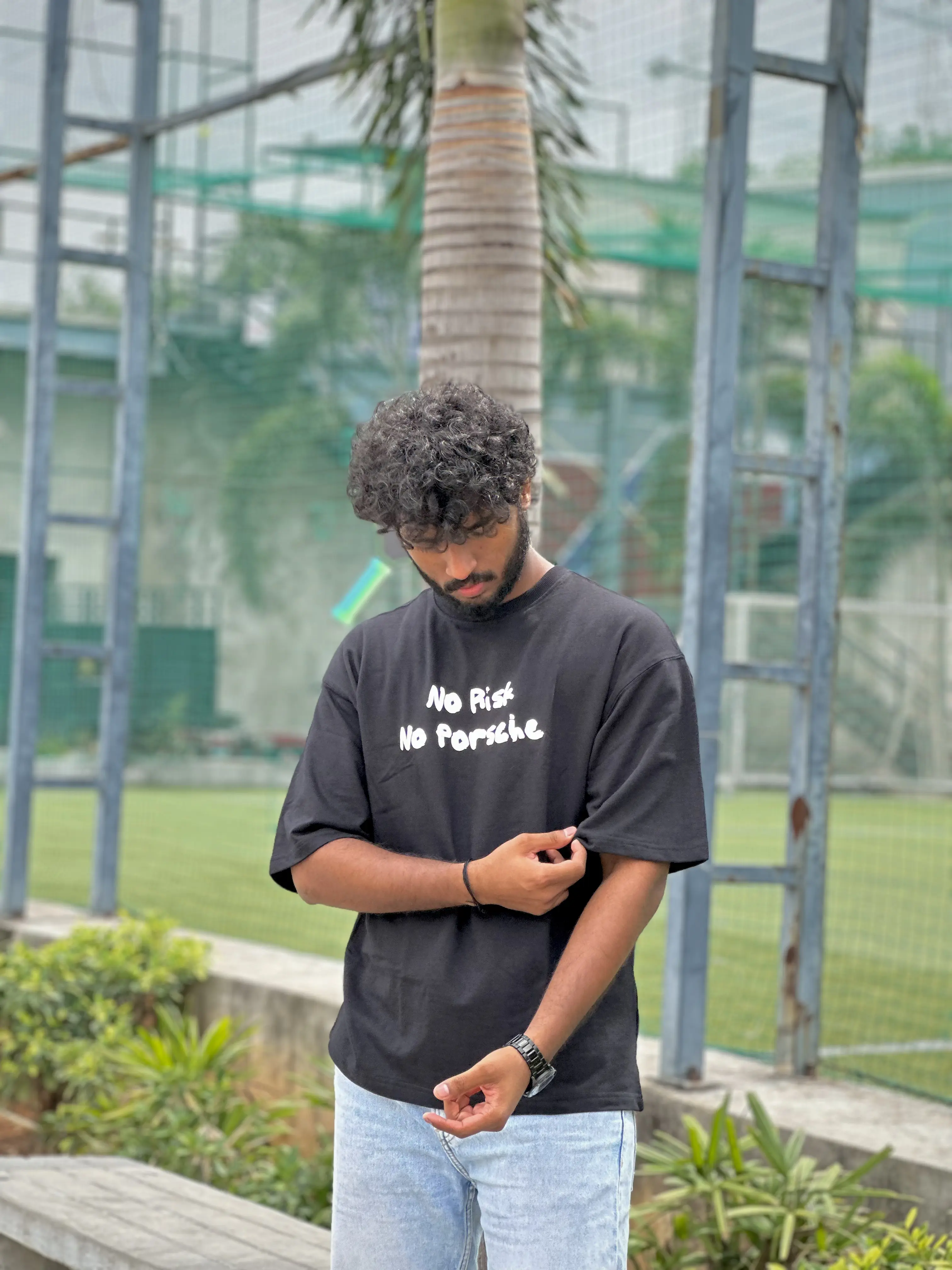
Every Intru piece uses heavyweight garment-dyed cotton in the 220–260 GSM range. Combined with our dropped-shoulder oversized pattern, the tee holds its architecture in Indian summers without clinging.
Try one — shop the current tee drop. And read our style guide for how to build a heavyweight-cotton wardrobe.